
Tabletop Games: A Comprehensive Dive into the World of Strategy and Fun
Introduction to Tabletop Games
Tabletop games have continued to capture the imagination of gamers and strategists alike for decades. These games, which often involve the movement of pieces based on strategy, chance, or both, have evolved significantly over the years. From classic board games to modern RPGs, the tabletop gaming world offers endless possibilities for entertainment and social interaction.
What is a Tabletop Game?
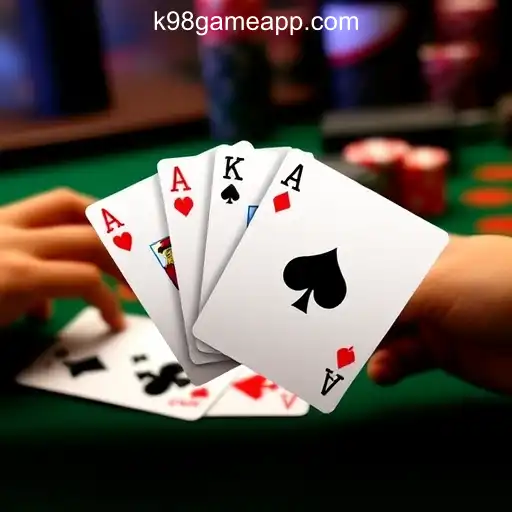
A tabletop game is essentially any game that is played on a flat surface. These games range from traditional board games, card games, and dice games, to more complex miniatures and role-playing games. They can accommodate a variety of player numbers, from solo ventures to multiplayer interactions.
Understanding the Appeal: Why Tabletop Games?
Tabletop games offer a unique blend of social interaction and intellectual challenge. Unlike digital games that often isolate players in virtual worlds, tabletop games encourage face-to-face communication and foster community engagement. This can be particularly appealing in a time where digital interaction prevails.
Diving into the Classic Favorites
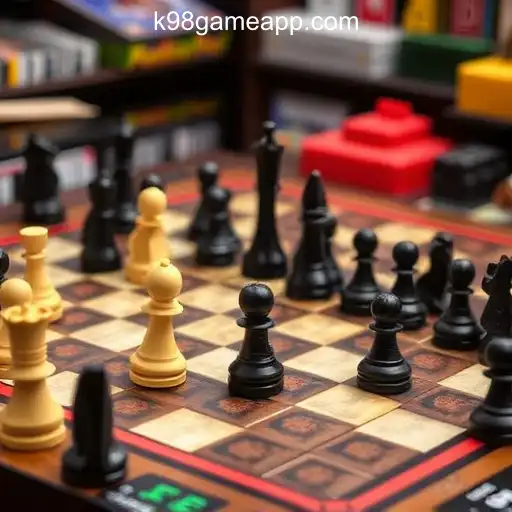
When discussing tabletop games, it’s impossible to overlook classics like Chess, Monopoly, and even Scrabble. These games have stood the test of time due to their simplicity, strategic depth, and ability to bring people together for an evening of fun.
- Chess: Often considered the pinnacle of strategy games, Chess has a history spanning centuries. It is a two-player game where strategic planning and foresight are crucial.
- Monopoly: A staple in family game nights, Monopoly introduces players to capitalism and negotiation through property trading and development.
- Scrabble: This word game challenges players’ vocabulary and strategic thinking, offering endless possibilities with every new tile drawn.
Modern Marvels: The New Age of Tabletop Gaming
Catan and Beyond
The introduction of games like Catan marked a significant turning point in tabletop gaming. These newer games are often cited for their innovative mechanics and ability to engage a broader audience by offering a blend of strategic depth and fun.
Another intriguing title is Pandemic, a cooperative game that tasks players with saving the world from disease outbreaks—providing a unique twist as players work together rather than against each other.
Exploring Role-Playing Games
RPGs such as Dungeons & Dragons delve into a different realm of tabletop experiences, offering narratives and characters that can extend into multiple sessions, if not years. The depth of storytelling and role development in RPGs offers players a chance to exercise creativity and leadership skills.
Enter the "k98game Cassino❤️ Exploda nas Mesas!" Phenomenon
Amidst traditional and modern tabletop games, the rise of the "k98game Cassino❤️ Exploda nas Mesas!" has captivated groups looking for dynamic and explosive fun on the table. Combining the casino-like thrill of chance with engaging gameplay mechanics, this game has positioned itself as a go-to for adrenaline-packed gaming sessions.
The appeal of "k98game Cassino❤️ Exploda nas Mesas!" lies in its ability to provide a fast-paced, strategic experience that keeps all players on their toes. It is a prime example of how modern board games are innovating to include more dynamic elements, catering to the new generation of gamers seeking more excitement in their tabletop experiences.
The Social Dynamics of Tabletop Gaming
An often unnoticed benefit of tabletop gaming is its ability to build social connections. Gathering around a table to engage in friendly (or occasionally heated) competition fosters relationships and builds community, whether you're playing with longtime friends or new acquaintances.
The Future of Tabletop Games
The future of tabletop gaming looks promising with advancements in technology and game design. Hybrid games incorporating digital elements are slowly gaining traction, bridging the gap between the physical and virtual worlds. Meanwhile, the traditional appeal of purely physical games continues to endure, suggesting a future replete with endless choice for enthusiasts.